Persuasive writing is one of those skills that students get once they’ve seen it in action. It’s not enough to explain what a persuasive text is. Kids need models that make them laugh, think, and notice how words can change someone’s mind.
That’s why mentor texts in French are such a powerful tool.
I’ve pulled together four engaging French persuasive writing books that I’ve used in class. They each highlight a different style of persuasion — from cheeky excuses to heartfelt letters — and they’re brilliant for sparking student discussions and writing practice.
French Persuasive Writing Mentor Texts
Book 1. Le pigeon a besoin d’un bon bain
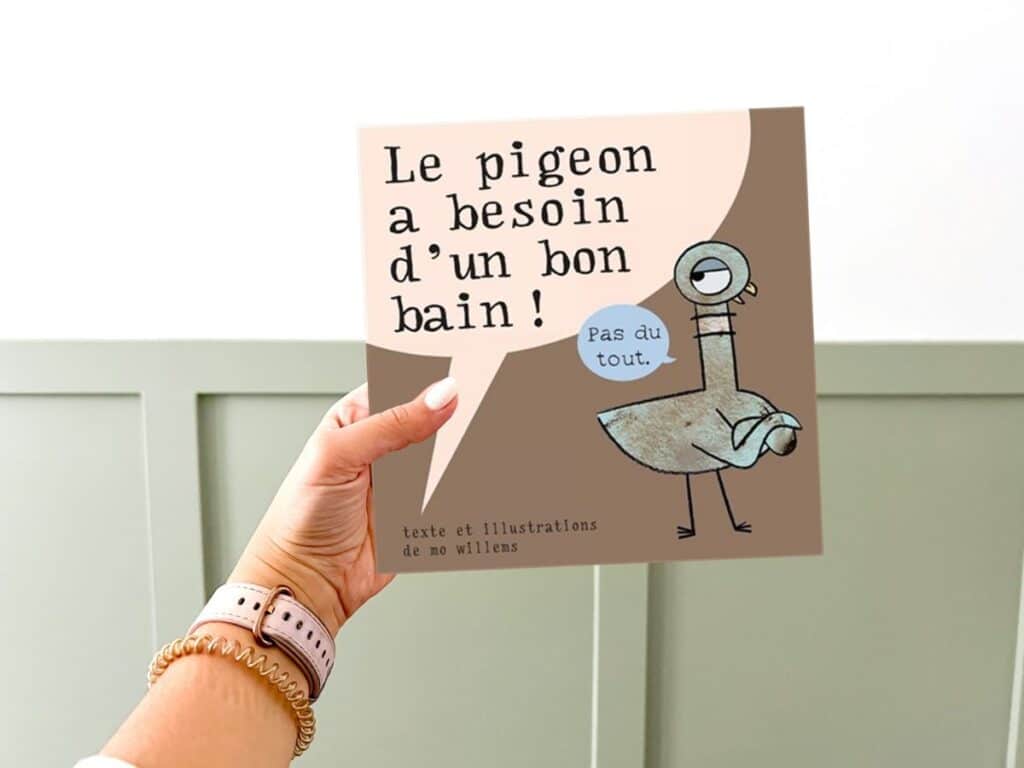
If your students already know Ne laissez pas le pigeon conduire l’autobus, they’ll be thrilled to see the pigeon return.
This time, in desperate need of a bath.
At first, the pigeon insists he doesn’t need one. He tries every excuse in the book:
- “I had a bath last month!”
- “I don’t stink!”
- “Baths are boring!”
Of course, students quickly catch on: these are classic persuasive strategies. The pigeon repeats, exaggerates, and appeals to the reader’s sympathy. Finally, when he does get in the bath, the persuasion flips: suddenly, he has endless complaints about the water, the toys, the bubbles.
Why it works as a French mentor text:
This book is an ideal early introduction to persuasive writing. It shows that persuasion doesn’t need to be formal or serious. It can be funny and over the top. Have students list the pigeon’s excuses and talk about why they don’t work. Then, encourage them to write their own “Pigeon-style excuses” for things they don’t want to do (homework, bedtime, eating broccoli).
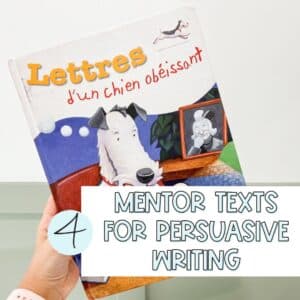
Book 2. Lettres d’un chien obéissant
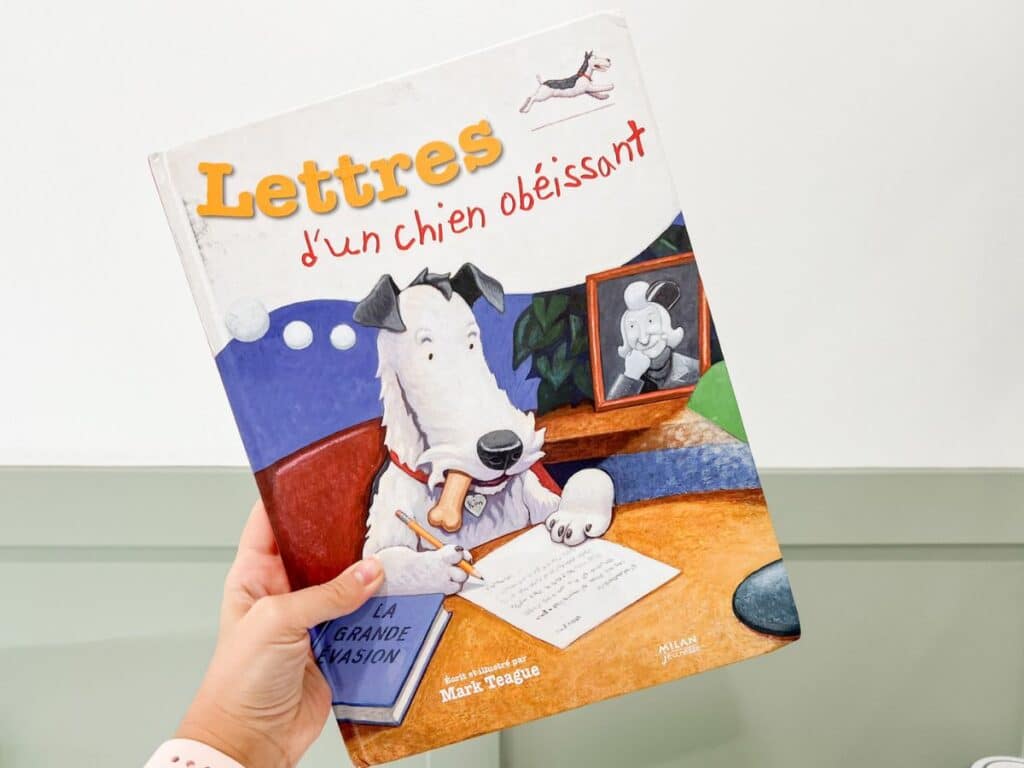
This book takes persuasion into a new format: letter writing. It follows a dog who’s been sent to obedience school, and he’s not happy about it. He writes a series of letters to his owner, Mrs. Larue, explaining why he shouldn’t be there.
Every letter is packed with excuses, exaggerations, and emotional appeals. He casts himself as the victim, insists he’s misunderstood, and begs to come home. Students can’t help but laugh at his overblown descriptions, and that’s the point. They see how carefully chosen words can change the tone of a message.
Why it works as a French mentor text:
This book is perfect once you’ve already introduced persuasive writing. It highlights how format can strengthen persuasion. The letters feel personal, and the dog’s voice is consistent throughout. Ask your students to write their own persuasive letter, maybe from the perspective of a pet, a toy, or even a favourite snack arguing not to be eaten!
Book 3. Le rouge c’est bien mieux
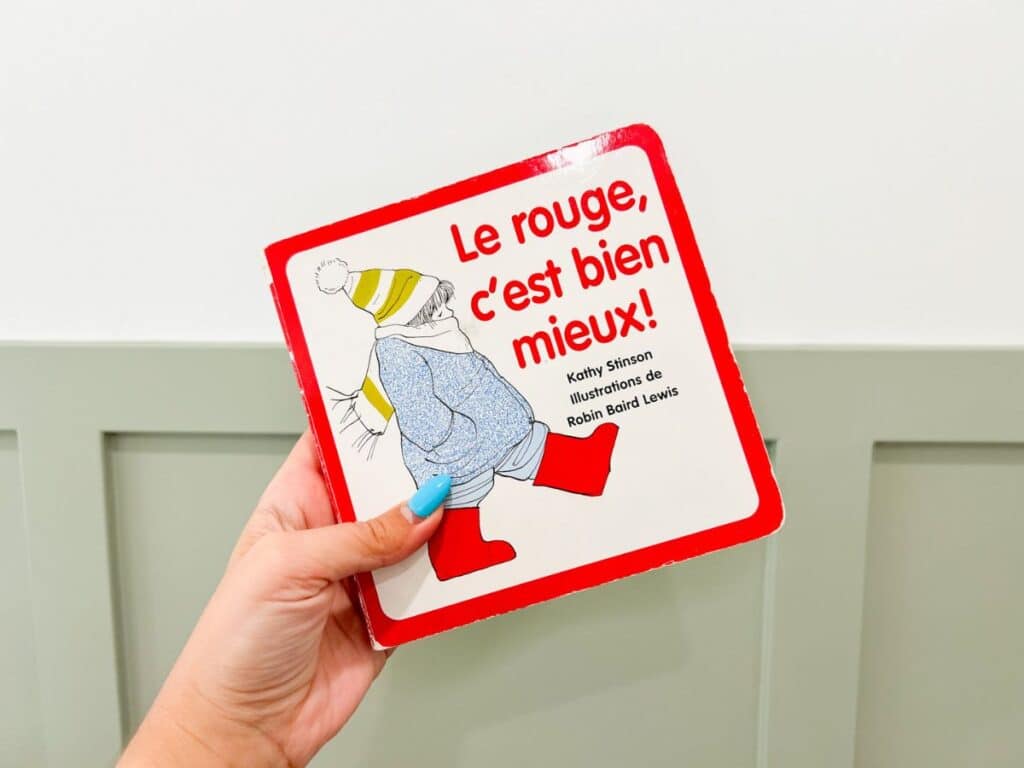
In this story, Sophie has a simple but passionate belief: everything is better in red. She wants a red dress, a red cup, red mittens, red paint. Her mother always has a practical objection, but Sophie always has a counterargument.
What makes this book so useful is its repetitive structure. Students quickly recognise the pattern:
- Sophie makes her case for red.
- Her mother objects.
- Sophie responds with another persuasive reason.
Why it works as a French mentor text:
It teaches the idea of a “counterargument” in the simplest, clearest way. Students see how persuasive writing isn’t just about making your case. It’s about anticipating objections and answering them.
After reading, challenge your class to pick their own “best colour” (or best food, or best season) and make their case, complete with counters to an opposing view.
Book 4. La vérité sur l’affaire des 3 petits cochons
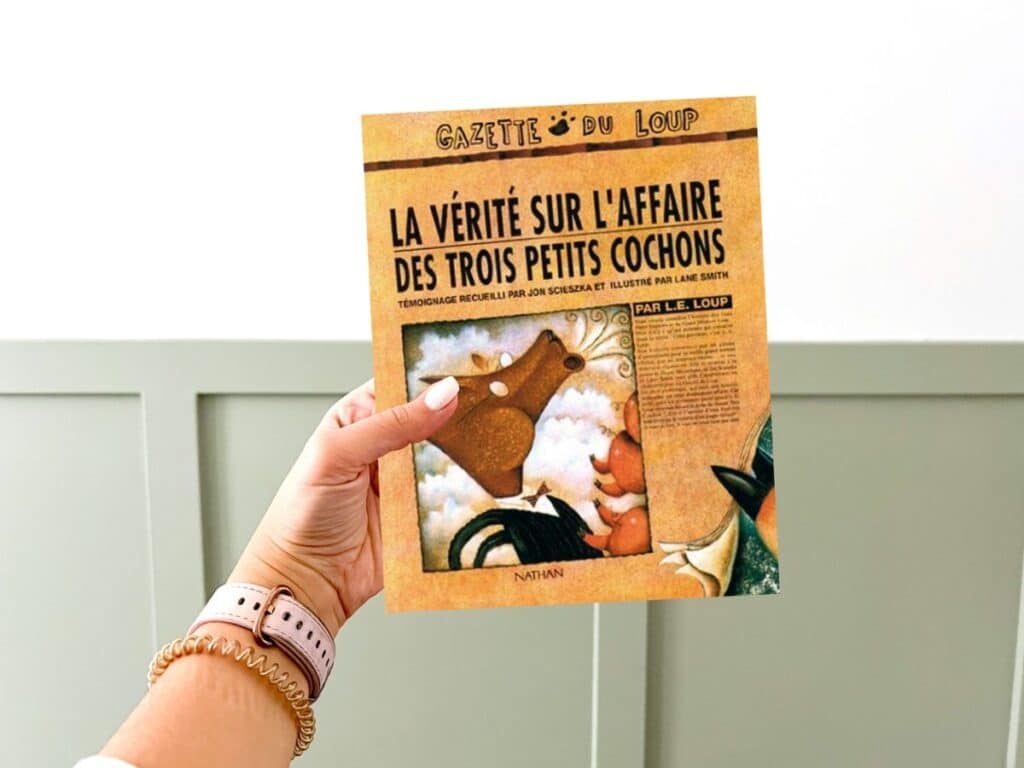
We all know the story of the three little pigs — or do we? This version is told from the wolf’s perspective, and he’s not the villain we’ve been led to believe. At least, that’s what he wants us to think.
The wolf insists he was just misunderstood, that circumstances were against him, and that the pigs made him look bad. Whether or not students believe him, they get a powerful lesson: perspective changes everything.
Why it works as a French mentor text:
This book introduces voice and point of view as persuasive strategies. Students see how shifting perspective changes the story entirely. Try having them rewrite another familiar tale from the “villain’s” point of view, complete with persuasive justifications.
Teaching Tips for Using These Mentor Texts
Reading the books is just the first step. The real impact comes when students get to try the strategies for themselves.
I like to take a few minutes after each read-aloud to connect what we’ve noticed in the French writing texts with a quick activity or discussion. That way, students aren’t just entertained by the story, they’re actively practicing the art of persuasion.
- Anchor Charts: Create a class chart of persuasive strategies as you read each book: excuses, exaggerations, repetition, emotional appeals, counterarguments, point of view. Add student examples under each category.
- Mini-Writing Prompts: After reading, give students a short prompt (e.g., “Convince me why your bedtime should be later”) and challenge them to write in the style of the book you just read.
- Peer Debates: Pair students up and have them role-play arguments inspired by the texts (e.g., Sophie arguing for red vs. her mom’s objections).
- Cross-Genre Links: Tie these texts into letter-writing units, fairy tale studies, or even art lessons about colour symbolism.
These simple persuasive writing activities in French help students practise strategies straight after the read-aloud.
Why Persuasive Mentor Texts Matter
When I teach persuasive writing, it’s never the formal definitions or graphic organisers that get students excited, it’s the stories. They laugh at the pigeon’s excuses, feel sorry for the dog at obedience school, or start questioning whether the wolf really was the villain. Those moments show them that persuasion isn’t just about facts; it’s about voice, humour, and connection.
These mentor texts give students the confidence to experiment. Suddenly, they’re writing letters from their pets, inventing silly excuses for avoiding chores, or defending the “bad guy” in a fairy tale. The books provide models they can imitate and adapt, helping them see how word choice and tone can shift an argument.
That’s why I return to these titles year after year.
They’re not just entertaining read-alouds — they’re tools that open the door to confident, purposeful writing in French. If you want students to fall in love with persuasive writing, these books are the perfect place to start.
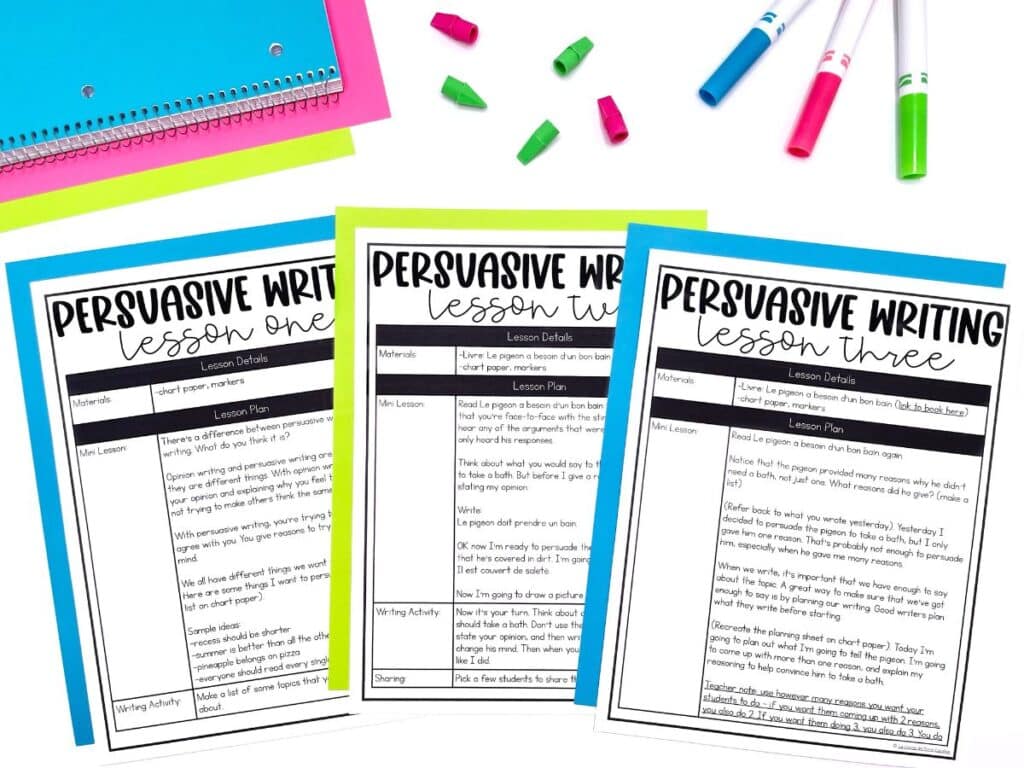
You don’t have to do all the hard work planning out a unit yourself. I’ve created a low prep, ready-to-go French persuasive writing unit, complete with lesson plans and assessments that you can use in your classroom today.
Looking for more? You’ll also find curated lists of procedural writing texts and narrative writing mentor texts to support the rest of your French writing units.
This post may contain affiliate links. As an Amazon Associate, I earn from qualifying purchases. You can read my full affiliate statement here.
Want to check out the resources listed?
All the links above lead to TPT, but the resources are also available on our website. Here are the resources available here for purchase in CAD. Don’t forget you can also buy credits for an additional discount (up to $15 off).